3 minuts 21.08.2026
Soft Touch Paint – Why Customers Love It
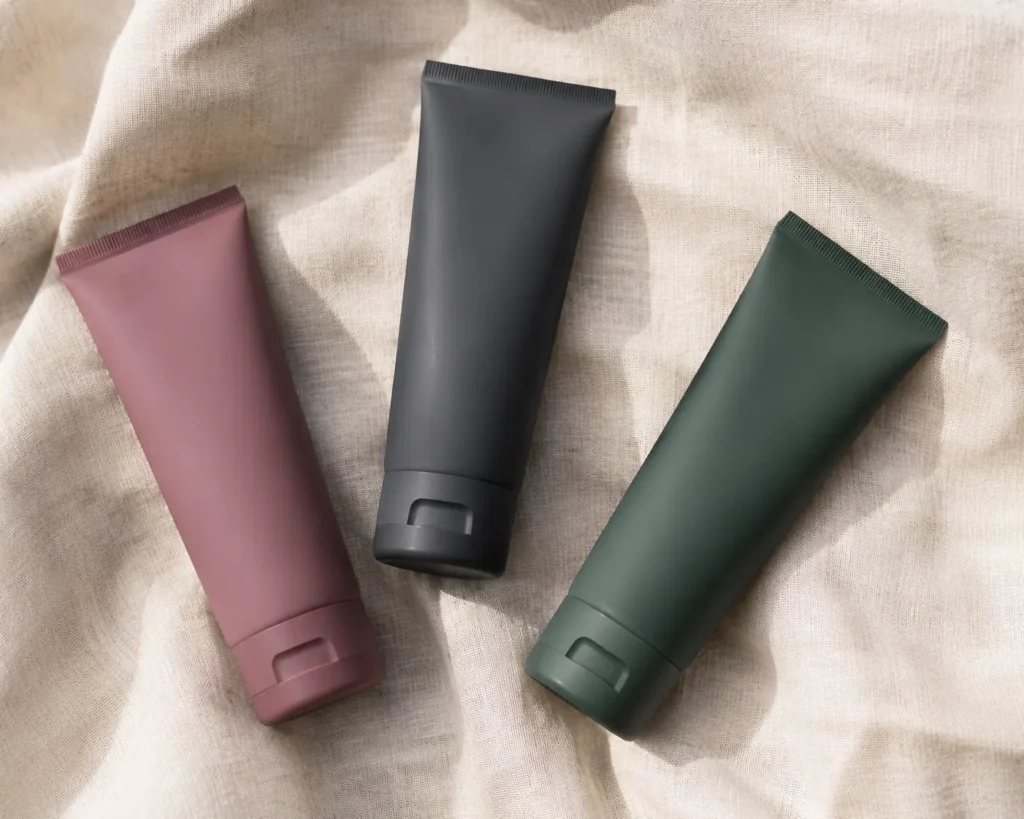
Soft Touch varnish is a coating that gives the tube’s surface a matte, velvety texture, often compared to suede or peach skin. It’s this texture—not the color or print itself—that makes the packaging feel different from a standard, smooth tube. The surface not only looks more subdued but also creates a distinctive soft feel under your fingers. This is especially important for cosmetics you pick up every day for your skincare routine. See how it works. lakier Soft Touch, what advantages does it have and when is it worth including it in the tube design.
What is Soft Touch varnish?
Soft Touch varnish is a special finish applied to the outer surface of the tube to achieve a matte appearance and a distinctive tactile effect. The coating is very thin, so it doesn’t change the basic design of the packaging, but it significantly affects the way its surface is perceived.
After application, a micro-textured layer is created that interacts with light and the hand differently than classic gloss. Limited light reflection creates a calm, matte effect, while the polish’s unique formula creates a soft feel under the fingers. Depending on the coating, the surface can resemble suede, satin, peach skin, or a delicately rubberized texture.
Why does touch affect the perception of packaging?
You don’t just recognize packaging by sight. When you hold a tube in your hand, you simultaneously assess its temperature, stiffness, smoothness, texture, and the way it slides under your fingers. Soft Touch introduces an additional sensory stimulus not provided by a standard glossy surface. This allows even a graphically simple tube to become more distinctive when you physically touch the product.
The perception of the finish is influenced by several simple mechanisms:
- the matte surface limits intense light reflections;
- the velvety texture distinguishes the tube from typical smooth packaging;
- the perceptible structure engages the sense of touch even before reading the information on the tube;
- the subdued appearance may strengthen associations with premium products and minimalist design.
This does not automatically mean that Soft Touch finish It will increase product sales. Its role is primarily to build a cohesive experience and differentiate the packaging with a stimulus that cannot be fully displayed on screen. Therefore, the value of using soft touch is best assessed in the context of the product, target audience, and brand positioning.
First contact with the product as a sensory experience
Touch is one of the first signals you receive after picking a product off the shelf or opening a package. Before you read the ingredients or product description, your hand may already register that its packaging differs from a standard tube. A velvety surface can therefore support that first impression even before consciously analyzing the brand’s communication.
The association of a matte texture with the premium segment
Matte and soft surfaces often appear on products that communicate quality through simplicity and a limited number of visual effects. Soft Touch fits this trend, as it doesn’t require a strong gloss to attract attention. The premium effect here stems more from the contrast between the understated appearance and the clearly perceptible structure of the packaging.
Expert advises: Don’t judge Soft Touch solely on 3D visualization. The most important feature of this finish is revealed only after touching a physical sample, so compare the surfaces directly in your hand before making a final decision.
What are the advantages of Soft Touch varnish in cosmetic packaging?
Soft Touch’s most distinctive advantage is its combination of visual and haptic effects. Standard matte primarily changes the way light is reflected, while Soft Touch adds a tactile texture. It can, therefore, make a tube stand out even when the design uses minimal color and decorative elements. This is particularly useful for cosmetic packaging based on a minimalist design.
The velvety surface also complements muted colors, simple typography, and a limited number of graphic elements. The lack of strong light reflections allows attention to be focused on the tube’s shape, the print, and the brand’s details. Minor irregularities or slight differences in the surface texture are also less visible than with a highly glossy finish.
Soft Touch can be especially important for cosmetics used regularly. You handle face cream, hand cream, or skincare product many times throughout its life. Therefore, the packaging remains part of the product experience long after purchase.
What are the limitations of Soft Touch varnish that are worth knowing?
Soft Touch isn’t a universal finish for every application. When choosing one, you need to consider how the specific product will be transported, stored, and used.
The most important limitations include:
- the coating may have lower resistance to intense abrasion than a classic glossy finish;
- frequent contact of the surface with other objects may gradually affect the nature of its texture;
- a product intended for frequent cleaning with aggressive agents requires an individual assessment of the compatibility of the finish;
- the Soft Touch effect may involve a higher cost of implementation than the basic tube decoration.
Abrasion resistance shouldn’t be confused with the visibility of minor imperfections. A matte, micro-textured surface can more effectively visually conceal slight dullness, slight structural differences, and subtle scratches than a high-gloss surface. Gloss has the opposite effect – intense light reflections can highlight even minor imperfections.
Expert advises: Design the finish based on the actual use of the product. If the tube will be removed from the cosmetic bag multiple times, moved between other packaging, or used intensively, consider this scenario when agreeing on the specifications.
How does Soft Touch combine with other tube decoration techniques?
Soft Touch doesn’t have to be the only element responsible for the appearance of packaging. It can be treated as a base surface finish that works with appropriately selected print and additional decorative techniques.
This design structure allows for a calm, matte surface while also highlighting the brand name, logo, or selected graphic detail. However, coherence throughout the design is crucial, as too many competing effects can undermine Soft Touch’s advantage: its visual subtlety. Texture works best when given the space to become a noticeable element of the packaging experience. Therefore, decoration techniques should not be chosen as standalone additions.
Soft Touch combined with offset printing
Soft Touch works well with offset printing for tube decoration. This allows for the combination of precisely designed graphic communication with a matte, tactile surface without the need to change the packaging design itself.
This solution is particularly suitable for cosmetics, where the graphic design should be elegant and legible. Offset can be responsible for the colors and graphics, while varnish creates the final character of the surface.
Soft Touch a hot stamping i cold stamping
MPACK’s tube decoration offering also includes hot stamping and cold stamping. These techniques can visually complement a matte background, for example, when the design involves highlighting a logo or a specific brand identity element.
The metallic detail creates a striking contrast with the velvety surface. However, details regarding the feasibility of a specific design must be determined on a case-by-case basis for the selected tube, material, and graphic.
For which brands and products is Soft Touch the best choice?
Soft Touch makes the most sense where contact with the packaging is a crucial part of the product experience. This is especially true for face, hand, and body care products that customers regularly handle. It also works well with premium lines and products whose visual identity is based on simplicity, calm colors, and refined details. Texture can then complement brand communication without adding additional graphics.
This finish is also worth considering when competing products primarily utilize standard gloss or classic matte finishes. Soft Touch allows you to create a difference that customers will not only see but also feel. This is especially important in designs where the packaging remains in the hand during dispensing and application.
For pharmaceutical, food, or chemical products, the decision should be based on the packaging’s function and its conditions of use. The attractiveness of the texture alone should not override the technical requirements. Manufacturer of packaging with Soft Touch varnish should therefore analyze the finish as one element of the overall tube specification.
How to order a tube with a Soft Touch finish at MPACK?
Tube design doesn’t end with the choice of paint. At MPACK, the specifications also include material, tube dimensions, color scheme, closure type, and decoration, among other factors. Soft Touch can be incorporated into the overall look and feel of the packaging.
Before submitting your inquiry, please prepare basic information about the product and the desired visual effect. It’s important to specify:
- type of product that will be contained in the tube;
- planned capacity and basic packaging parameters;
- body color and preferred closure type;
- design or assumptions regarding the print;
- expected surface finish, including Soft Touch;
- expected number of tubes to be ordered.
On the MPACK website, you can use the tube creator to define the basic configuration of the packaging you’re preparing. The choice of finish then becomes a key element in determining the specifications, along with other design parameters. This approach allows Soft Touch to be evaluated not as a standalone decorative effect, but as part of the overall packaging system.
How is the Soft Touch finish different from the standard matte finish?
Standard matte and Soft Touch finishes may look similar at first glance, as both reduce light reflections. The difference is most noticeable when you touch the surface. Classic matte primarily changes the appearance of the tube, while Soft Touch adds a distinct, velvety feel. For this reason, not all matte finishes can be described as Soft Touch.
This is a crucial distinction for the brand. If you’re primarily looking to reduce shine and achieve a more muted color scheme, a standard matte finish might do the trick. If you also want the packaging to stand out when held in the hand, Soft Touch offers a more distinctive feel.
Matte and Soft Touch should not be considered two names for the same effect. Their appearance may be similar, but the user experience is different.
How does Soft Touch varnish affect the appearance of the tube in the light?
A Soft Touch surface scatters light differently than a high-gloss finish. Instead of harsh, pinpoint reflections, you see a more even, calming surface. This can work well with large areas of solid color, subtle typography, and minimalist design. However, this doesn’t mean that every color will look identical across different finishes.
Therefore, color on a computer screen should not be the sole basis for evaluating a project.
A physical sample allows you to simultaneously see how the surface will behave in the light and test it under your fingers. This is especially important for dark colors, large solid surfaces, and designs with metallic accents. The final appearance of the tube is best assessed in conjunction with the print and other decorative elements.
How to evaluate the Soft Touch finish before final order?
Soft Touch is a material experience, so visualizing a design doesn’t convey its most important feature. While you can assess colors, logo placement, and composition on the screen, you can’t see the texture or how the surface responds to touch. Before making a decision, it’s worth considering the tube as a physical product, not just a graphic medium. Especially with premium lines, the difference between digital design and actual contact with the packaging can be significant.
Also, check how the surface appears under different lighting conditions. Shop lighting, bathroom lighting, and daylight can highlight the color and degree of matteness of the tube differently.
Only a combination of visual observation and tactile evaluation allows one to fully understand the Soft Touch effect. It’s also worth comparing it directly with standard matte and gloss finishes. This test facilitates the selection of a surface consistent with the product’s character and brand positioning.
Why can Soft Touch varnish become part of your brand identity?
Product identification doesn’t have to rely solely on color, logo, and typography. A consistent packaging texture can also build the character of an entire cosmetics line. If several products have a similar Soft Touch finish, customers may, over time, associate a specific touch and surface appearance with a given brand. This is particularly interesting for series where individual products vary in color but maintain a common finish standard.
Soft Touch doesn’t replace a well-designed visual identity. However, it can become another layer, one that only becomes effective after physical contact with the product. In cosmetics used regularly, this experience is repeated with each application. Therefore, the tube finish should be considered an element of the overall brand design, rather than a decorative addition added at the end.
FAQ – frequently asked questions about Soft Touch varnish
Soft Touch may look similar to a classic matte finish in a photo, but the difference becomes much clearer upon physical contact. The answers below will help you assess whether this finish is suitable for your intended tube and intended use.
1. What is Soft Touch varnish and how is its characteristic texture created?
Soft Touch varnish creates a very thin, micro-textured layer on the tube’s surface. This coating reduces shine and adds a noticeable softness. Depending on the varnish used, the effect can resemble suede, satin, peach skin, or a delicately rubberized surface. This doesn’t change the tube’s basic design, but it significantly impacts the feel of its outer layer.
2. Why are Soft Touch varnish packaging associated with premium products?
Soft Touch differentiates itself from typical smooth, glossy surfaces and introduces an additional tactile stimulus. Its subdued matte finish, limited reflections, and velvety texture harmonize well with the minimalist visual language of the premium segment. Customers can notice this difference the moment they hold the product in their hands. However, this does not guarantee a specific purchasing reaction—the effect must be consistent with the overall product and brand.
3. Is Soft Touch varnish suitable for cosmetic packaging?
Yes, especially for products whose packaging is frequently touched during daily use. Good examples include face creams, skincare products, hand creams, and cosmetics positioned in the premium segment. Soft Touch can enhance the impression of a refined product without overly complex graphic effects. However, the choice should be tailored to the specific use of the tube.
4. What are the disadvantages of Soft Touch varnish compared to a gloss finish?
A Soft Touch coating may be more susceptible to intense abrasion than a classic gloss finish. This is especially important if the packaging frequently rubs against other objects or is exposed to demanding conditions. At the same time, the matte texture can better conceal minor surface imperfections. Therefore, it’s important to distinguish between the durability of the coating and the visibility of minor scratches and imperfections.
5. Can Soft Touch be combined with other decoration techniques, e.g. hot stamping?
Yes, MPACK uses offset printing, hot stamping, and cold stamping to decorate tubes, among other techniques. These techniques can be incorporated into the design for a matte finish. Metallic detailing can create a striking contrast against a velvet background. The specific combination of techniques should be evaluated for the selected design, material, and graphics. Not every decorative concept should be automatically transferred to any tube configuration.
6. How is Soft Touch different from a standard matte finish?
Standard matte primarily reduces the gloss of a surface. Soft Touch also has a matte appearance, but it also creates a distinctive soft feel under the fingers. Therefore, the difference between these solutions is much more noticeable during physical contact than on the screen. If touch is to be part of the product experience, Soft Touch offers more possibilities than standard matte.
7. Does Soft Touch varnish conceal imperfections in the tube surface?
A matte surface can limit the visibility of minor imperfections, slight irregularities, and slight structural differences. A glossy coating reflects light more strongly, so such imperfections may be more noticeable. However, Soft Touch is not intended to conceal significant manufacturing defects. The quality of the tube itself remains the foundation of a good final result.
8. How to order a tube with a Soft Touch finish at MPACK?
Start by defining the basic parameters of the tube, such as material, capacity, color, closure, and print design. You can use the tube creator available on the MPACK website or contact a consultant. Soft Touch is determined as part of the complete specification, along with other decorative and packaging design elements. This allows you to tailor the finish to the design, product, and intended use of the tube.